

Uncategorized

A long-standing myth suggests that effective training is always accompanied by muscle soreness—as if a workout wasn’t effective if your muscles don’t hurt the next day. DOMS (delayed onset muscle soreness) simply indicates that the muscles have been exposed to a new or unfamiliar stimulus. For...
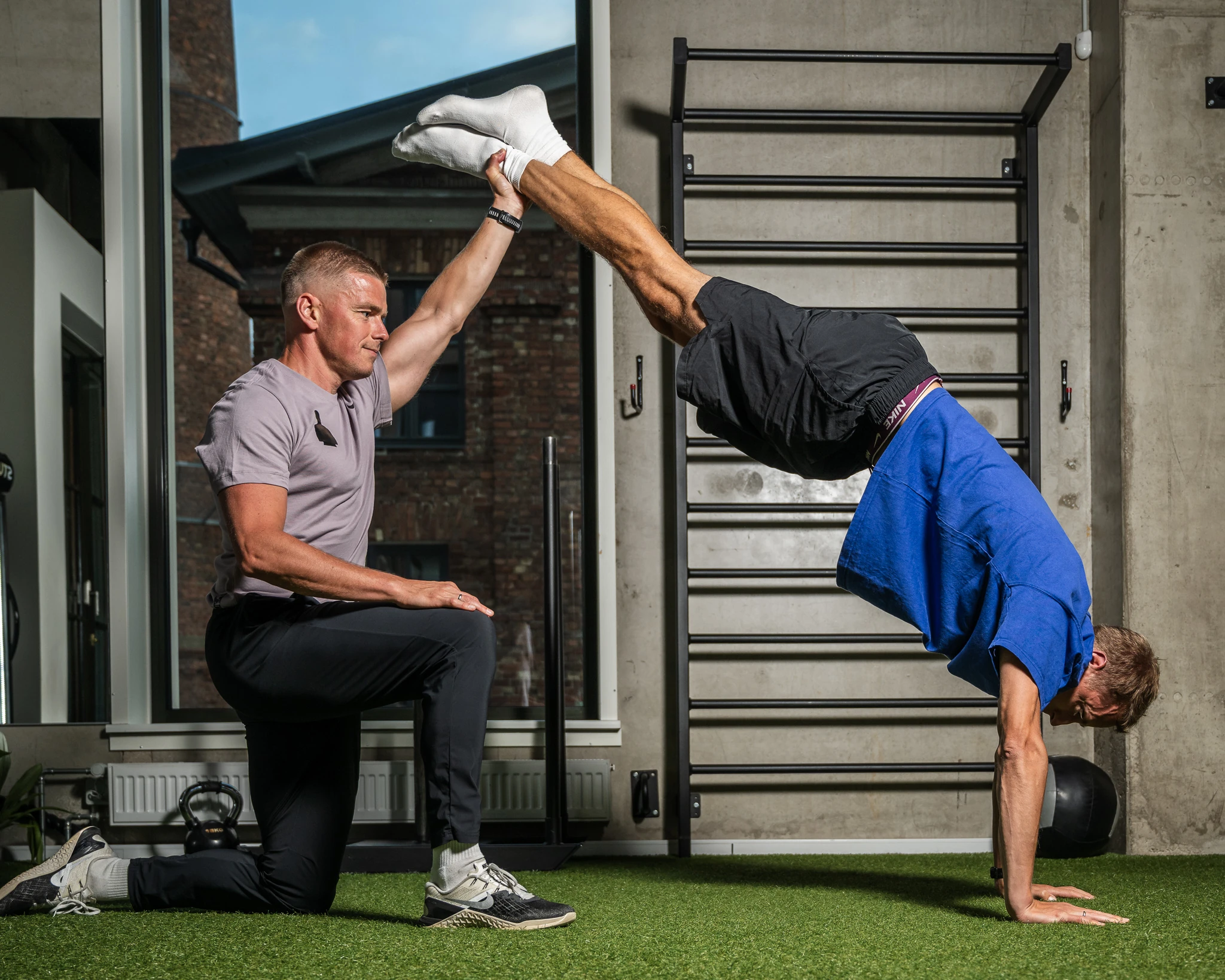
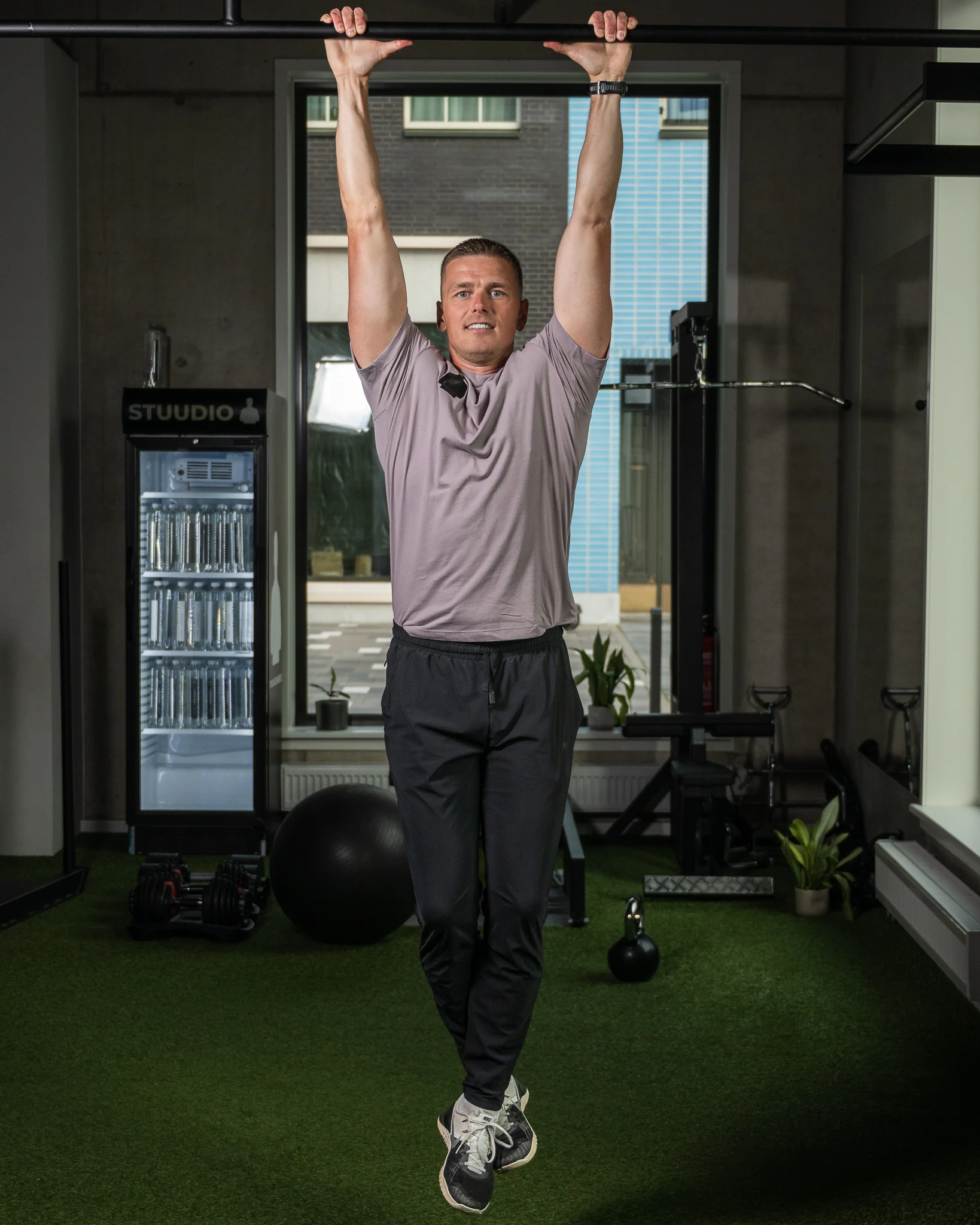
This question is often quite polarizing, as it tends to divide people with different training styles: yoga, pilates, and calisthenics versus bodybuilding and powerlifting. As personal trainers, we see this kind of opposition the same way as comparing ice cream and chocolate—why not have both? The advantage...

We live in a very fast-paced world, and lack of time affects every area of life—including training, which is meant to restore our working capacity. In an ideal world, training would be a place where you can put your phone on airplane mode and invest at...

This is the question we hear most often as personal trainers. There is no single answer—it largely depends on your training goals. The World Health Organization (WHO) recommends an optimal amount of 2–3 strength training sessions per week. Since muscle mass requires regular mechanical load to...

The short answer is yes—you can. Just as people cannot be forced to invest their money, they also cannot be forced to exercise. With investing, you make an uncomfortable decision now (parting with money) in order to enjoy comfort later in the form of returns. Training...

A personal trainer is a movement specialist whose work goes far beyond demonstrating exercises or counting repetitions. A good personal trainer understands anatomy, physiology, movement patterns, training methodology, principles of nutrition, and human behavioral psychology. These areas form the foundation of their work, but knowledge...