
Physiotherapy

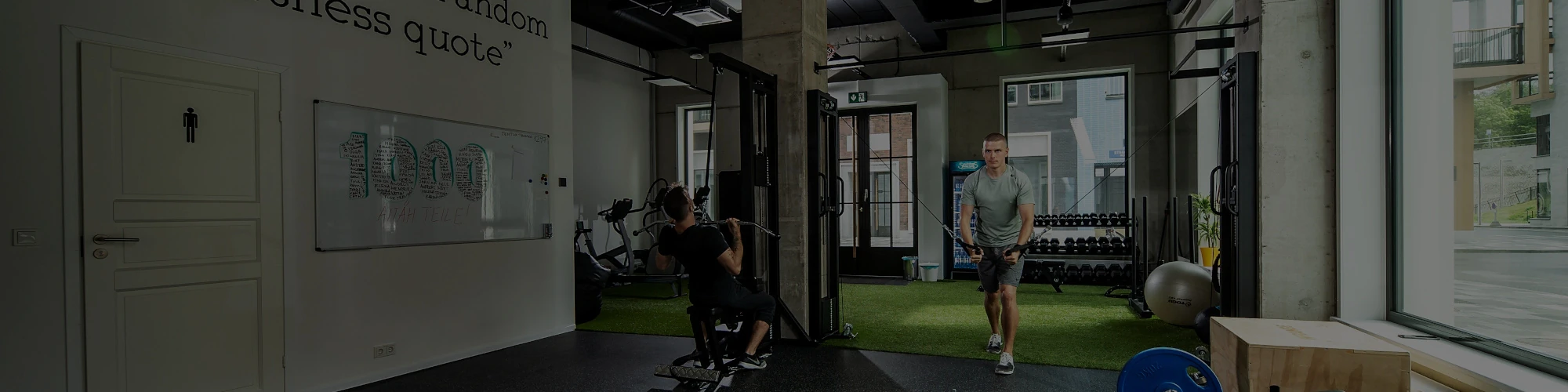
You are welcome to physiotherapy at our studio in the Noblessner district, Tallinn. Pain, injury, or movement limitations do not have to be your new normal. We help identify the root cause of the problem and create a personalized treatment plan so you can move freely and without pain again.
- Treatment of sports injuries
- Back, shoulder, and knee pain
- Physiotherapy-based training
- Personalized exercise programs

Physiotherapist Appointment
Individual assessment and treatment plan.
Kinesio Taping
To reduce pain and support recovery.
Rehabilitation
After injury or surgery.
When Should You Visit a Physiotherapist?
Physiotherapy can help if you experience:
- lower back pain
- neck and shoulder pain
- knee pain
- sports injuries
- overuse injuries
- joint problems
- posture issues
- recovery after surgery
- chronic pain
- headaches and tension-related pain


How Does a Physiotherapy Appointment Work?
Our goal is to understand the true cause of the problem and find a solution that helps you move freely and confidently in the long term.
1. Consultation and Goal Setting
We start with a thorough conversation to understand your concern, medical history, and goals. We discuss when the problem began, which activities cause pain or discomfort, and what you want to achieve through physiotherapy.
2. Body and Movement Assessment
Next, we assess your mobility, muscle strength, stability, and posture. If needed, we perform various tests to identify the true cause of pain or movement limitations. Often, the source of the problem is not located where the pain is felt.
3. Creating a Personalized Treatment Plan
Based on the assessment results, we create an action plan tailored to your individual needs. We clearly explain what may be causing your symptoms and which steps will help you reach your desired outcome in the fastest and safest way.
4. Exercises and Active Treatment
In most cases, we begin exercises and treatment techniques already during the first session. You will learn practical exercises that you can perform both during the appointment and independently at home. If needed, we also use various physiotherapy techniques to support your recovery.

FAQ about Physiotherapy
Is physiotherapy only for people in pain?
No. Physiotherapy is also suitable for prevention. A physiotherapist helps improve movement patterns, prevent injuries, and support an active and healthy lifestyle.
How many physiotherapy sessions do I need?
It depends on your condition and goals. For some issues, one or two sessions may be enough, while more complex or long-term problems may require a longer treatment plan. After the initial assessment, the physiotherapist will give a more specific recommendation.
Can physiotherapy help with long-term pain?
Yes. Physiotherapy can help both acute injuries and chronic conditions. Long-standing issues may take more time, but it is often possible to reduce pain and improve movement.
Can a physiotherapist help with sports injuries?
Yes. You should see a physiotherapist for both acute sports injuries and overuse-related problems. The goal is to help you recover and safely return to training.
Do I need to do exercises at home during physiotherapy?
In most cases, yes. The best results come from collaboration. Exercises learned during sessions help speed up recovery and support long-term results.
Is physiotherapy suitable if I don’t do sports?
Absolutely. Physiotherapy benefits both athletes and people whose issues are related to sedentary work, daily activities, or low physical activity.
Can a physiotherapist help with leg pain?
Yes. Leg pain can be related to overuse, muscle tension, joint problems, or movement patterns. A physiotherapist helps identify the cause and create a suitable treatment plan.
Why do the soles or feet hurt?
Foot and sole pain can have many causes, including overuse, improper footwear, joint issues, or muscle tension. The physiotherapist assesses your movement and helps identify the root cause.
Can physiotherapy help with joint pain?
Yes. Physiotherapy often helps reduce joint pain, improve mobility, and restore normal movement. The goal is not only pain relief but also addressing the underlying cause.
Can a physiotherapist help with knee pain?
Knee pain is one of the most common reasons for visiting a physiotherapist. The physiotherapist evaluates the knee, surrounding muscles, and overall lower body function to find an effective solution.
Can physiotherapy help with ankle or meniscus injuries?
Yes. A physiotherapist creates an individualized recovery plan to gradually restore mobility, stability, and strength.
Do I need a referral to see a physiotherapist?
No. You can book a physiotherapy appointment without a referral.